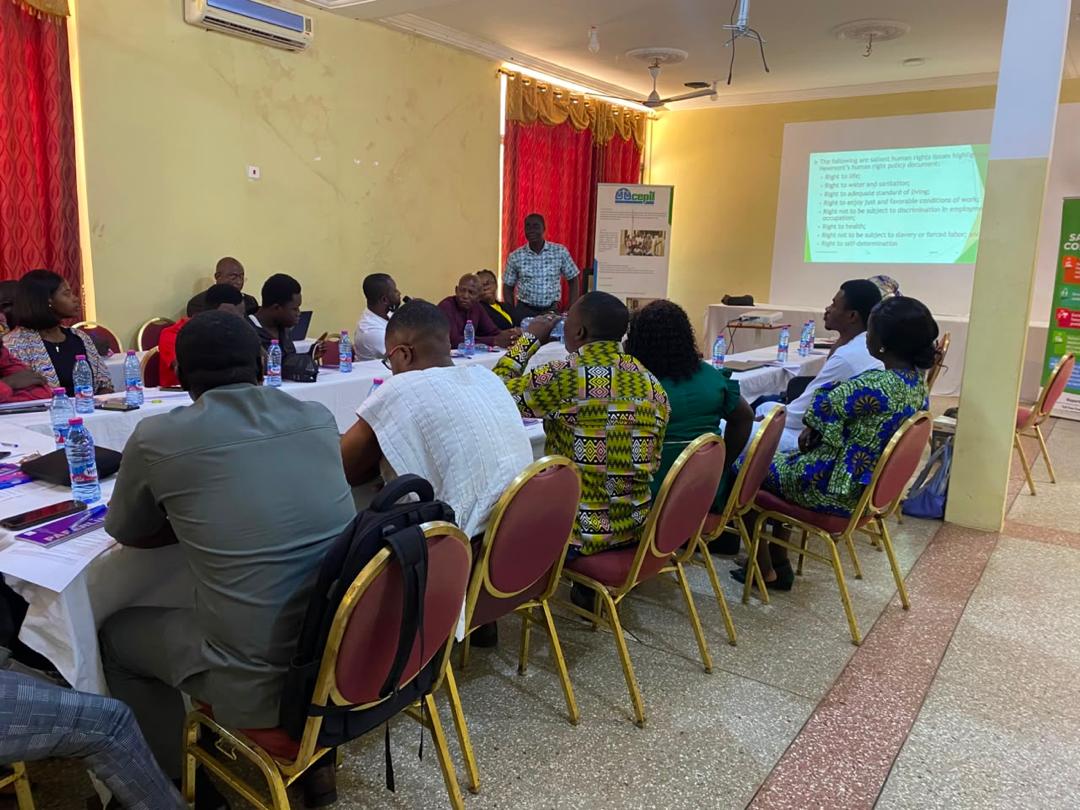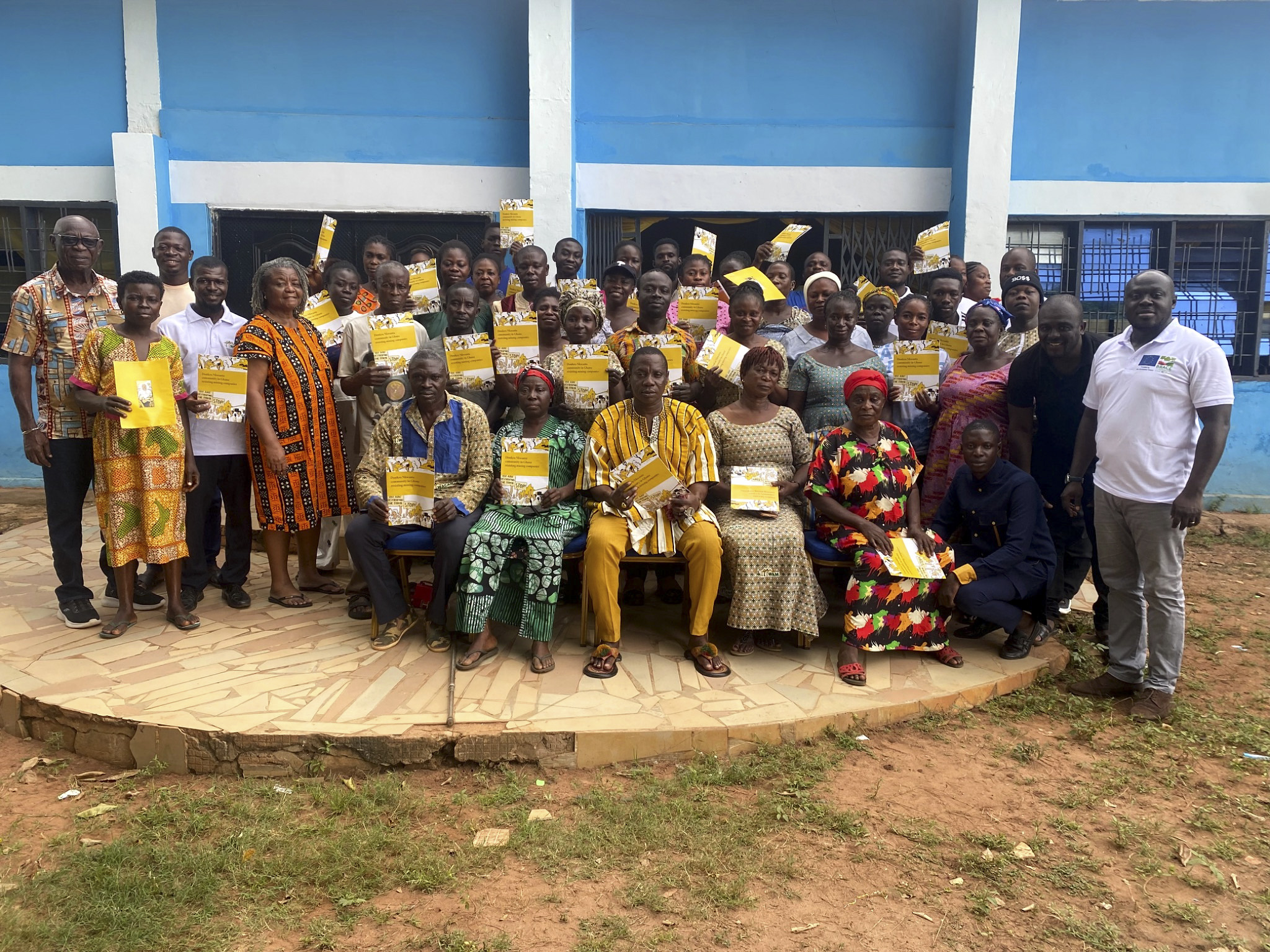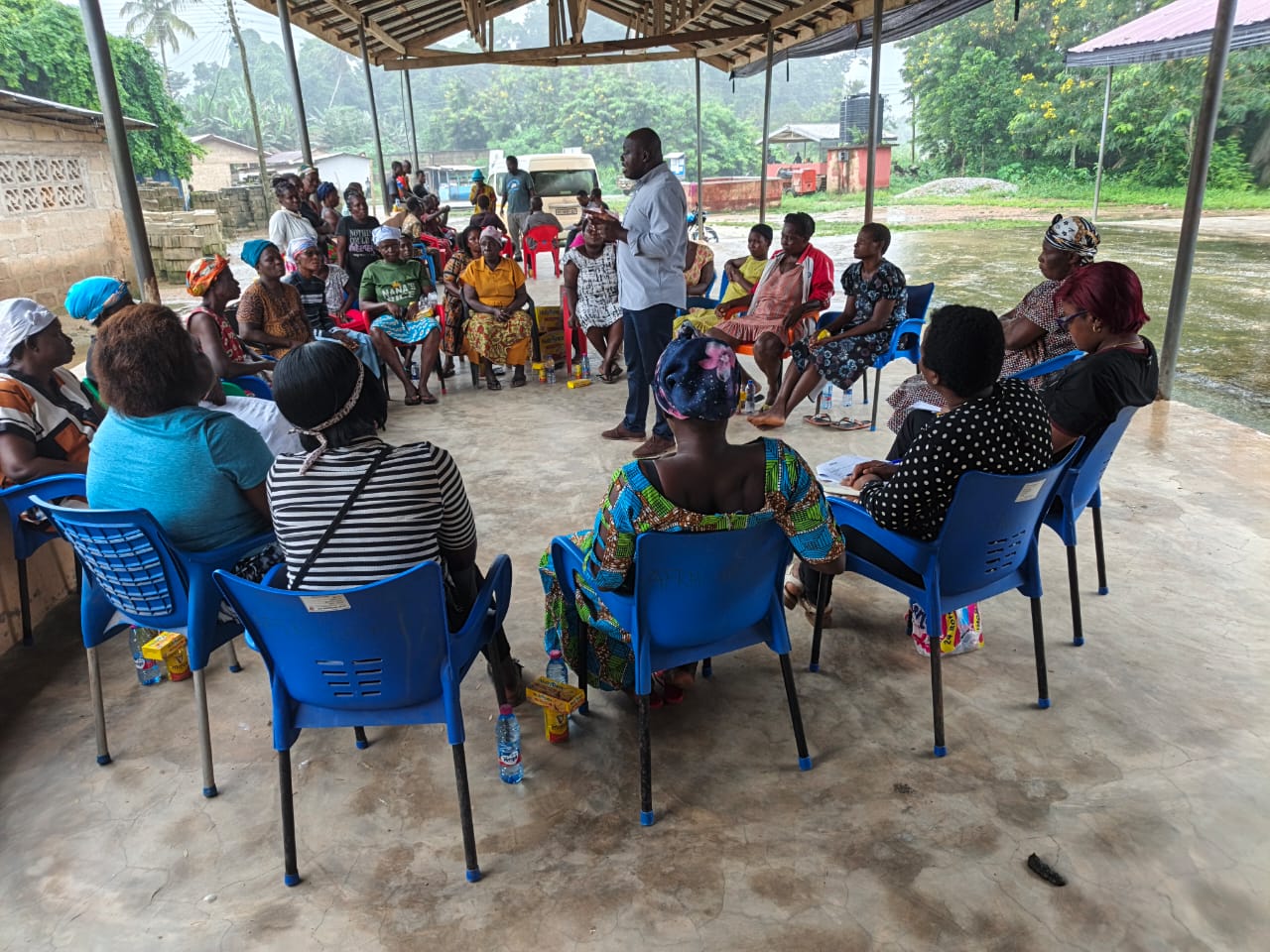
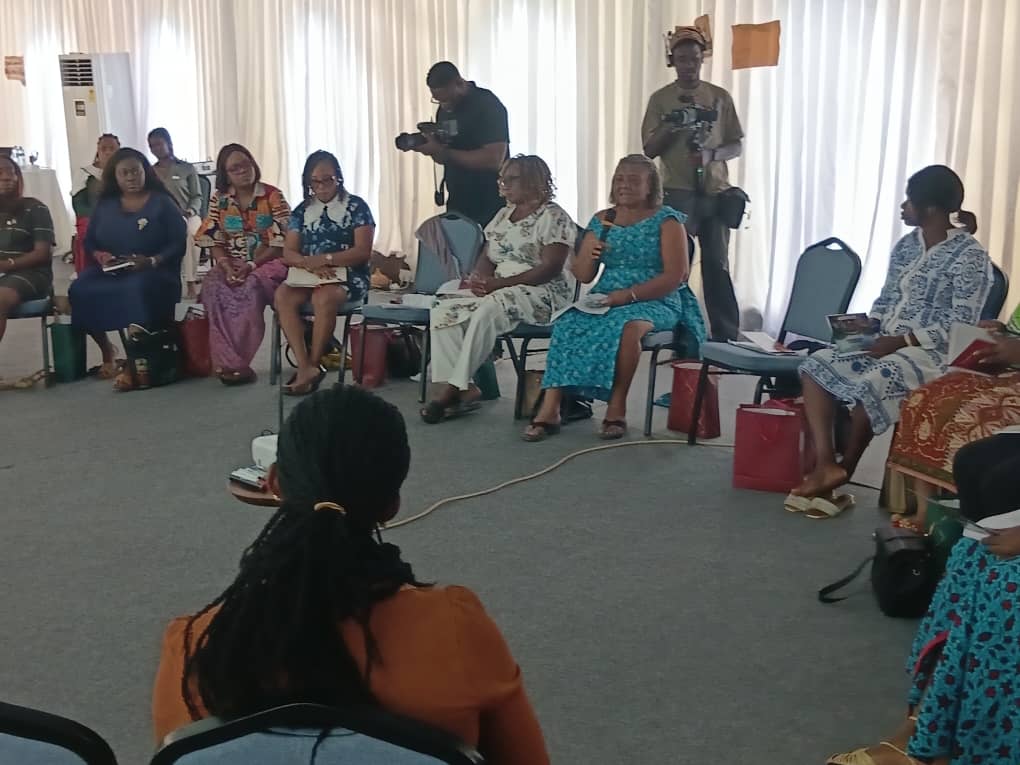
Oxfam in Ghana organised a Feminist Influencing Retreat and Training for Women Human Rights Defenders (WHRDs) from extractive communities at Safari Valley Resort, Adukrom, from 3rd to 7th August 2026. The retreat, organised under the SEED Fund 2026, focused on strengthening feminist climate justice, women’s leadership and collective action among women from extractive communities.
The retreat created a space for women to share their experiences and discuss some of the challenges affecting women in mining communities. Participants were taken through sessions on power and privilege, women’s rights, Free, Prior and Informed Consent (FPIC), climate justice and the importance of women participating in decisions that affect their land, livelihoods and communities.
During a Power Walk exercise, participants were assigned different roles within the extractive sector and moved forward or backward depending on the level of power associated with those roles. At the end of the exercise, those representing mining companies and regulatory institutions were mostly ahead, while community members and other local-level actors were behind. The exercise showed the unequal power relations that exist within the extractive sector and how communities affected by mining can have limited influence over decisions concerning their land, livelihoods and environment.
The women also shared experiences of how mining activities have affected water bodies and livelihoods in their communities. Some participants spoke about the destruction and pollution of water sources, which has made access to water difficult for households. Discussions also looked at some of the narratives that discourage women and young people from taking active roles in community advocacy, including perceptions that women do not have enough technical knowledge to contribute to discussions on mining issues.
Participants discussed the importance of women knowing their human and land rights, gathering evidence, accessing legal support and working together when addressing injustices in their communities. They also identified trust, communication, solidarity and the ability to mobilise resources as important in building collective action among women.
The retreat provided an opportunity for the Women Human Rights Defenders to learn from one another and reflect on ways of strengthening women’s participation and advocacy in mining-affected communities. Participants were encouraged to use the knowledge and experiences from the retreat in their work and in supporting women and other people affected by mining activities.