In the illusive and presumed quest for economic development, resource endowed countries like Ghana is increasing its dependence on mineral extraction. As global demand for energy and natural resources continues to grow, extractive industry projects have been expanding to keep pace with this demand. Increasingly, oil, mining, and other extractive industry activities affect the lives of local communities living in remote areas. These large-scale resource industries may bring opportunity for citizens who fuel the wheel of extractivism in the countries where the resources are being developed.
However, the poorest and most vulnerable arein many cases often excluded from the benefits that might be generated by these activities. In fact, the indigenes in most mining communities are limited in participating effectively in the issues of minerals exploitation. The decision to mine has depended mostly on revenuegeneration with little considerationto environmental pollution, human rights abuses and the potential loss of livelihoods associated with it. The conflicts have led to recorded brutalities meted out by security agencies against host mining communities resulting in gross human rights violations.These conflicts can be attributed to the huge gaps in the mining law, Minerals and Mining Act, Act 703 of 2006, which protects mining investment interests in line with the concept of extractivism as against sovereign interests.
Wacam in collaboration with the Centre for Public Interest Law and withsupport from IBIS, Oxfam,Care Ghana and Ford Foundation,hasdeveloped a sample mining bill to influence legal reforms in our mining sector to reflect the guiding principles and policies of the ECOWAS Directives on mining to address the lapses in our current law.The ECOWAS Directives on mining was spawned by the struggles of some civil society groups in the West African sub-region in 2009to serve as the guiding principles and policies in the mining sector. The Directives have important provisions such asthe Free Prior and Informed Consent and the Polluter Pays principles, which would compel mining companies to respect community rights and to improve the management of natural resources of states if governments internalise the provisions in the directives.
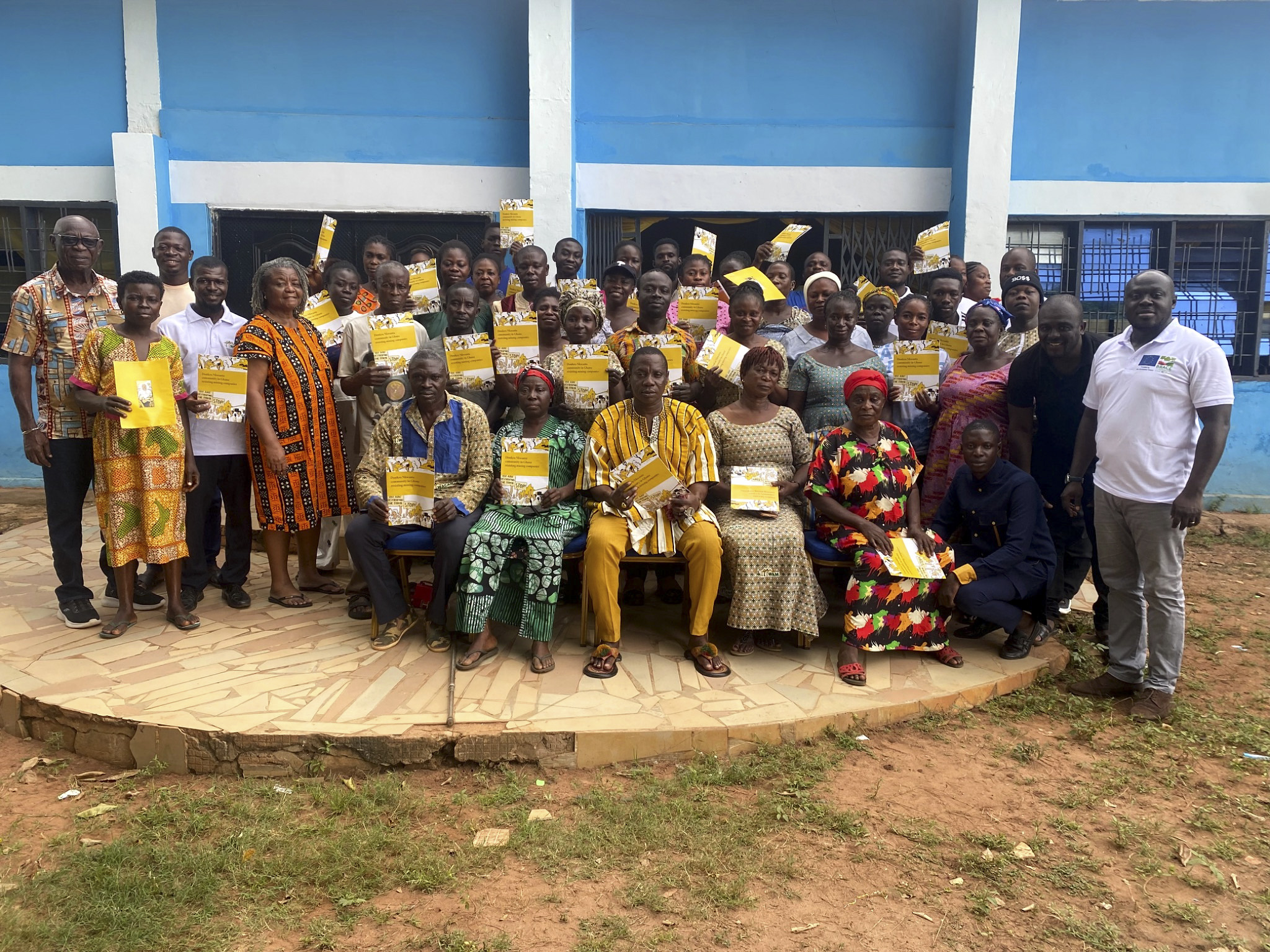
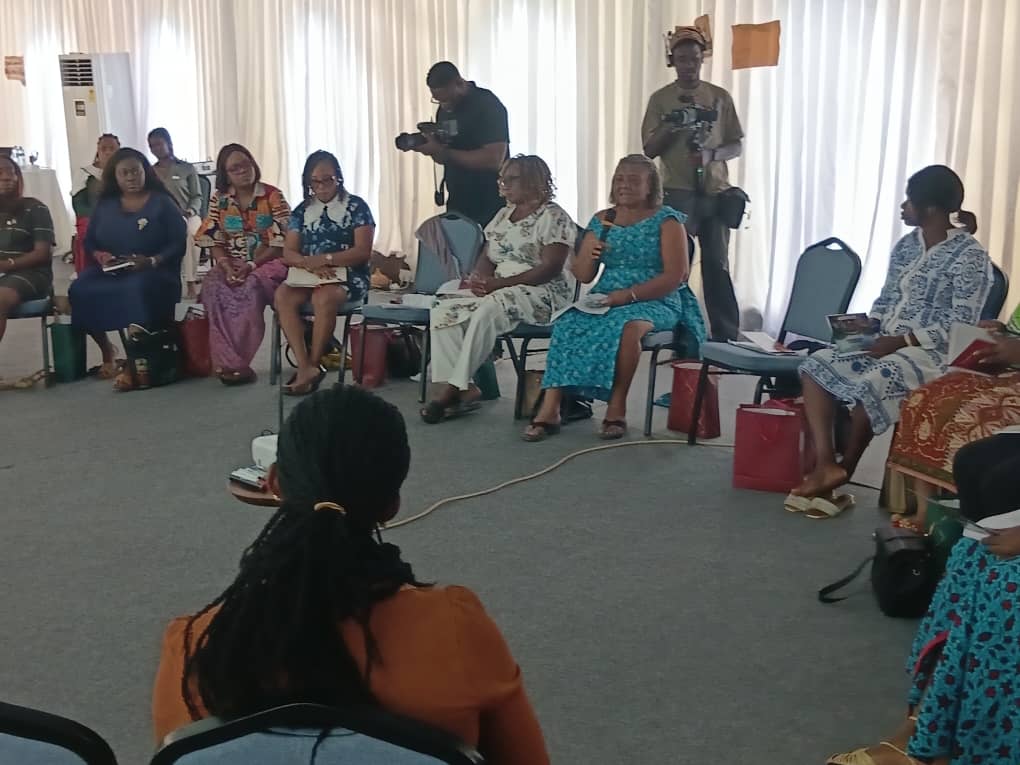
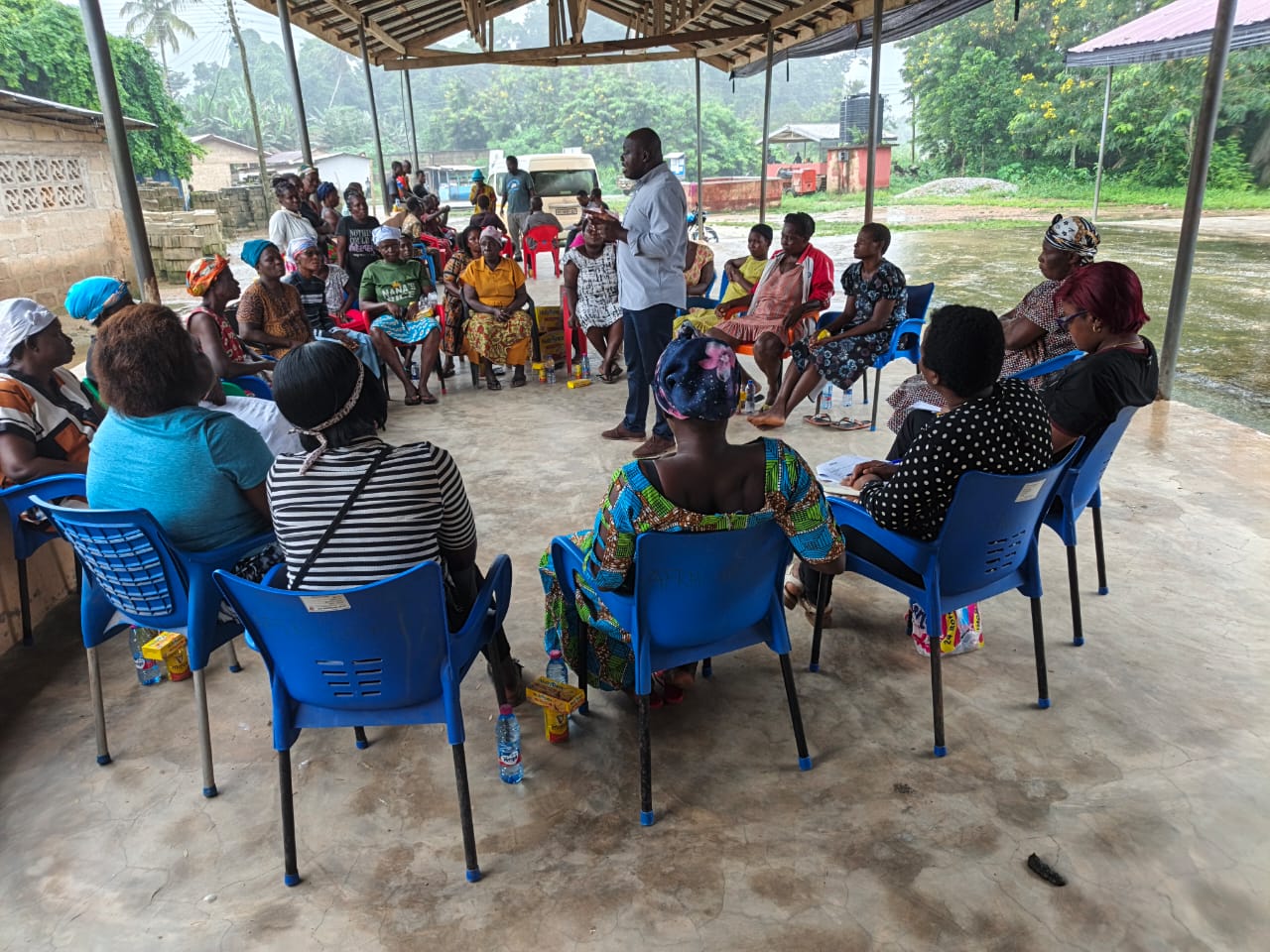
In developing the present bill, Wacam and the organisations it partnered took into consideration the provisions of the ECOWAS Directives, international frameworks and protocols and views from community people affected by mining.After developing the draft bill,Wacam embarked on stakeholder engagements to present the content of the bill and also seek their input in its development. Three consultative fora have been held with stakeholders in the Northern and Greater Accra regions. Major stakeholders involved were Civil Society Organisations, Environmental Protection Agency, Minerals Commission, the ministry responsible for lands and natural resources, personnel from academia and the media.The forum accorded stakeholders within the mining sector the opportunity to influence reforms in addressing the limitations in our mining law by contributing towards the development of the sample mining.
When the bill is completed,Wacam will engage policy and regulatory bodies in the mining sector on the provisions of the sample bill and also adopt advocacy campaigns that can effectively lead to influencing reforms in the current mining law.